

How to Recover From a Bad Shift
A bad day in Retro Rewind - Video Store Simulator usually ends with a growing line, a tape sitting in the wrong section, and an order that suddenly looks too expensive. The whole store can feel out of control when that happens. The game moves through days quickly, so the smartest reset is to clean up the floor, stop improvising, and make the next shift simple.
That might sound unglamorous, but it is how you get back to the good stuff: a cozy shop with a collection people trust, a layout that flows, and steady little wins that add up. After a rough day, think triage. Fix the thing that wasted the most time, protect your cash buffer, then start growing again. A cash buffer is just money you do not spend, so one messy shift does not wreck the next one too.
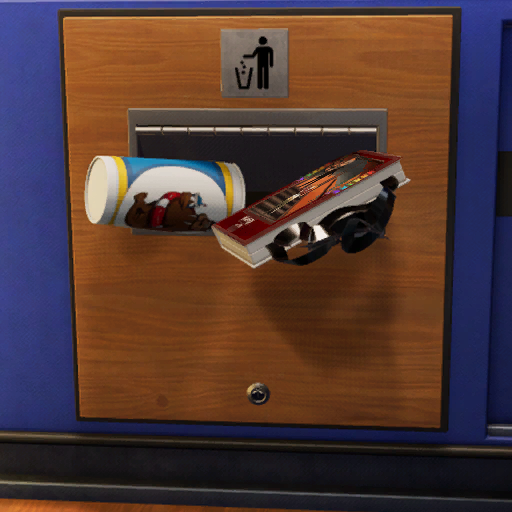
Recovery checklist for the next shift
- Pause extra spending for one or two days. Skip new decor and do not panic-buy inventory. After a bad shift, cash matters more than a prettier wall.
- Clean one problem shelf at a time. Returns are part of the job, so if you burned time hunting for tapes, sort that section first and make it easy to scan.
- Shorten the walk between shelves and checkout. Busy spells get ugly fast when every rental turns into a zigzag across the store.
- Use staff on the biggest bottleneck first. If you have help, point it at the one part of the store slowing the whole day down. Do not try to fix everything at once.
- Make a smaller, safer order. Refill tapes that already move, and leave some cash unspent instead of blowing it all the second a new catalog looks tempting.
Quick Win: If both your shelves and your budget are a mess, run one maintenance day on purpose. Clear returns. Fix shelf order. Keep checkout moving. It is not flashy, but it gives you back the one thing every good video store needs: control.
Advanced tactic: After that recovery day, name the exact failure point. Did you lose time searching, lose money on over-ordering, or lose service during a rush? Fix that one weak link before you expand again. A small rule, like keeping your most-rented tapes near the front or saving part of each day's profit instead of spending all of it, builds momentum faster than a full panic redesign.
That is the real reset loop here. You do not need to erase the bad shift like it never happened. You just need a cleaner layout, smarter orders, and steadier flow so the next rush feels less like a disaster movie and more like your shop finally hit play at the right moment.
Comments will load when you reach this part of the walkthrough.