
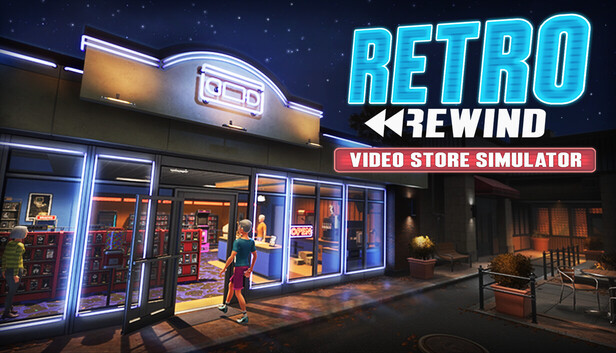
General Overview and Tips
These opening tips for Retro Rewind - Video Store Simulator matter because your first few days can fall apart fast when one customer wants a tape, two more walk in with returns, and the shelf you organized five minutes ago already looks wrong. That early scramble usually comes from trying to stock, decorate, order, answer requests, and serve everyone at once. Treat the opening hours like store training and build a shop you can read quickly, keep clean, and afford.
The good news is that the game quietly teaches you the right priorities. The tutorial is not just filler. It is your first operating manual for the office tools, return flow, reservations, staffing, and the daily calendar rhythm that will keep mattering long after the opening shifts.

First Priorities for New Store Owners
- Make your shelves readable before you make them pretty. Pick a simple system you can understand at a glance. A plain layout you can trust beats a stylish maze every time in the early game.
- Leave cash for mistakes. Do not spend yourself down to nothing on inventory or decor. A little buffer matters because surprise costs hurt a lot more when your wallet is already gasping.
- Buy for demand, not collector brain. Save the dream wall of cool covers for later. Early on, tapes you can find fast and that customers keep asking for do more for your store than a shelf full of personal favorites.
- Keep returns moving. Returned tapes do not earn anything sitting in a pile. Log them, rewind what needs rewinding, and get them back where they belong before the next busy stretch.
- Watch your steps. If checkout, returns, and your most-used shelves are too far apart, every little trip eats time. That is a layout problem, not a you problem.
Treat the tutorial like your real build order
- Learn the office computer early. The tutorial points you to the computer because that is where your Market orders, New Release purchases, and later planning all start.
- Process returns before you think about growth. The game teaches this on purpose. Overnight returns can include normal check-ins, late fees, and broken tapes, so your day starts better when the return station is clean before the doors matter.
- Check the calendar every morning. The packaged quest text confirms the calendar updates daily with new releases, special events, weather forecasts, and extra task rewards. That makes it a planning tool, not decoration.
- Answer the phone and respect reservations. The tutorial eventually pushes you to the office phone, and the packaged quest text shows that reservation calls create same-day pickup work. When a customer reserves a movie, pull it from the shelf and place it in the reserved area instead of letting it get lost in your normal stock flow.
- Open the Staff Book only after you can name the bottleneck. The Staff Book is where you hire and manage employees, and the game states that new applicants with different gameplay traits appear every day. That means you do not need to panic-hire the first moment labor becomes available.
Tip: Think of the early game as one repeating loop: clear returns, check the calendar, restock the floor, serve the line, then review what actually moved. That loop teaches you more than one giant shopping spree ever will.
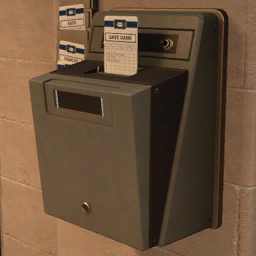
Common mistakes that slow you down
- Over-ordering early. More stock feels safe, but messy stock is slow stock. If you cannot file it fast, it turns into expensive clutter.
- Ignoring office tools. The phone, calendar, and Staff Book are not side flavor. They are how the game surfaces reservations, event pressure, staffing options, and future demand.
- Changing your system halfway through. If you sort one way today and another way tomorrow, future-you gets stuck paying for that chaos.
- Decorating the main path too soon. Cozy is great. Blocking movement is not. Nostalgia should improve the vibe, not turn checkout into a furniture obstacle course.
- Trying to hero every rush. When the line spikes, speed beats perfection. Get people through, tidy later, and do not spend half the day making one shelf look magazine-ready.
- Keep your most-requested or most-used stock close to the counter path.
- Do a short shelf check and return sweep before opening instead of fixing chaos in the middle of a rush.
- Read the calendar before you place the next order so weather, events, and new releases do not catch you flat-footed.
- When the phone starts mattering, treat reserved movies like a separate workflow, not just another tape buried in the wall.
Comments will load when you reach this part of the walkthrough.