
Best Store Layout and Decorations for Efficiency
A strong store layout in Retro Rewind - Video Store Simulator does two things at once: it keeps your working loop short, and it lets your shop look like a real 90s video store instead of a bare warehouse. The important distinction is that layout and decor do not seem to matter in the same way. Layout clearly affects speed and pathing. Decor appears to matter more through display value, appeal, and a few specific promo items.
That makes this one of those systems where it helps to be transparent. Some advice is clearly supported by game text. Some comes from community testing. And some comes from code and asset analysis that strongly suggests a mechanic, but does not expose the exact number behind it.
Build the layout in this order
- Anchor checkout first. Put the register where you can read the room quickly and reach the entrance, your main aisle, and your busiest shelves without weaving around props.
- Keep returns inside the same working loop. If checkout, returns, and your most-used stock are too far apart, every shift turns into extra walking.
- Use one obvious spine through the store. A clean center route with short side rows is easier to run than a scenic maze.
- Move your highest-traffic shelves close to the counter path. The tapes you touch constantly should sit near the route you already run all day.
- Leave turning room at row ends. If a couch, standee, or display keeps forcing a sidestep, it is charging you time every shift.
What is actually confirmed
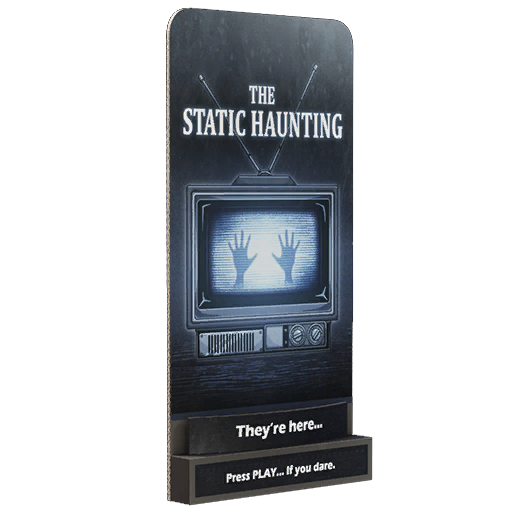
- Standees have a real sales effect. The packaged new-release text says ordering 5 or more copies in one order can reward a free standee that is used to increase sales. That is the clearest confirmed decor-adjacent bonus I have found.
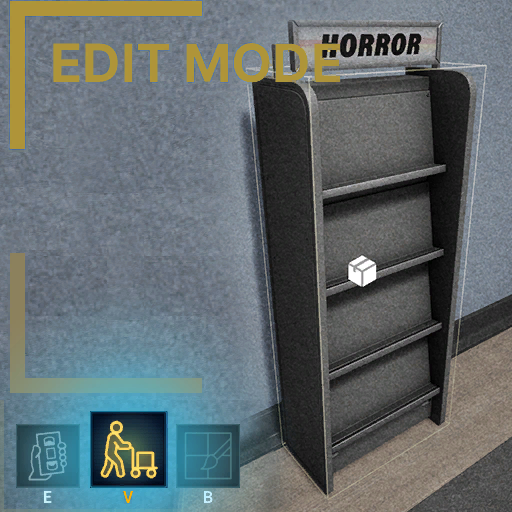
- Shelf types are part of progression. The game has thin and standard movie shelves, 4 / 5 / 6 row variants, dedicated new-release shelves, and a separate movie display. So layout choices are not just cosmetic reskins.
- Staff Picks Shelf and Clearance Bin are real unlocks. The packaged UI text explicitly unlocks a Staff Picks Shelf and a Clearance Bin through progression, which means featured-display space is an intended part of store growth.
- Events clearly shift genre demand. Horror, romance, sci-fi, comedy, western, fantasy, drama, and Xmas all get obvious event-driven demand spikes, so layout should make it easy to surface the hot genre when the calendar points at it.
Likely, but not cleanly quantified
- Decor seems to help store appeal. Community guides and player reports consistently treat decorations as something that improves attraction or appeal, but I have not found a clean in-game string with the exact math.
- Pathing matters more than proximity bonuses. The safest interpretation of layout is that open lanes, visible stock, and short routes help because they reduce wasted movement and make customer flow cleaner, not because the game is definitely awarding a hidden adjacency multiplier.
- Displays are strongest when they showcase event-relevant or premium tapes. Players commonly use movie displays, Staff Picks, and window space for new releases, holographics, and other eye-catching stock. That lines up with how the game surfaces featured items, even if the exact display multiplier is not exposed.
Code Analysis Hints, not fully confirmed
- Theme-matched decor may matter indirectly. The asset list has full decoration families for horror, medieval, sci-fi, western, and Xmas, and those themes line up with calendar event genres. I would treat that as a strong hint that themed displays are worth using on matching event days, but I would not call it a proven bonus yet.
- Decor and featured items are structured systems, not just art props. The packaged files include dedicated assets such as
Decoration_Struct,Standees_Struct,MovieDisplay,StoreExpansion, and multiple standee collections. That suggests the game tracks these categories deliberately, even where the exact behavior is not exposed in readable text. - There may be more to featured shelving than the UI currently explains. Because there are dedicated unlock strings and prop classes for Staff Picks, displays, standees, and clearance bins, it is reasonable to think featured presentation matters beyond simple storage efficiency. I just cannot verify the exact bonus table from the readable files yet.
Best decoration advice if you want efficiency first
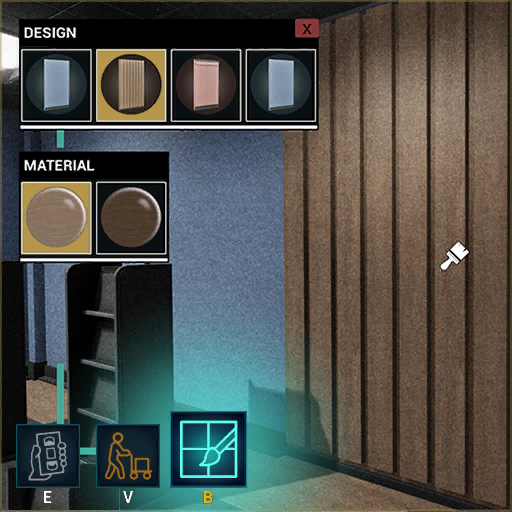
- Use walls and corners first. Frames, signs, televisions, and other wall or edge pieces give you the video-store feel without eating aisle space.
- Put larger props in pass-by zones. Couches, standees, themed props, and novelty pieces work better framing the shop than blocking the register loop.
- Keep the middle open. The center of the store should support movement, sightlines, and quick customer help.
- Use featured displays on purpose. Save your most visible display space for new releases, hot event genres, holographics, or whatever the calendar is about to make popular.
- Do not over-expand into half-empty aisles. More room helps only when it gives your shelves and displays a cleaner purpose. Empty distance is still distance.
Transparent take: what I would actually trust when planning a layout
Trust completely: standees can increase sales, shelf and display types are real progression tools, and calendar events change genre demand.
Use with confidence, but not as hard math: clear aisles, short loops, visible hot genres, and focused display areas make the store easier to run and appear to help customer flow.
Treat as a smart experiment: matching horror, sci-fi, western, fantasy, romance, or Xmas decor to the season or event theme. The assets strongly hint at it, but I would still describe that as informed testing rather than a solved formula.
If your line is backing up and you keep jogging around props to reach the counter, fix the route before you buy more decor. If the route already feels smooth, then use standees, featured shelves, and themed displays to make the shop feel alive. That is the balance that seems to work best: movement first, featured presentation second, filler decor last.
Comments will load when you reach this part of the walkthrough.