
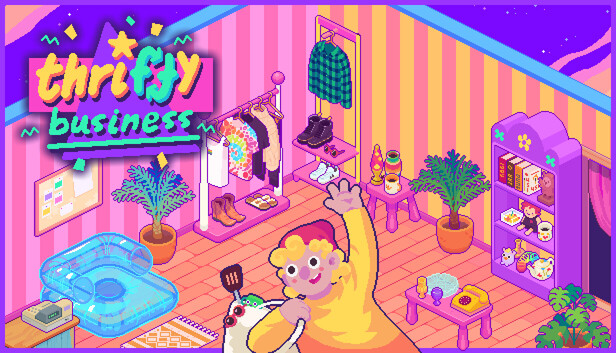
Room Unlocks, Furniture, and Decor Checklist
There is a very Thrifty Business moment where you unlock a fresh room, drag over a perfect chunky little lamp, and the game says, in its quiet pixel-shop way, nope, not there. It can feel like Unpacking with a thrift-store rulebook hiding under the counter. The fix is to plan each new room around display jobs first, then decorate after the shelves, racks, rails, and tables are doing real work.
Community points are progress points tied to shop systems such as clean-up, events, and how well your items are organized. Tags, also called categories, are item labels such as color, purpose, theme, or style. The developer FAQ says category levels rise when matching items sit on the same shelf or on shelves close enough together, so keep your best tag groups tight instead of scattering them like a mystery box exploded. When a new unlock appears, ask one simple question: does this help me show more tagged items clearly, finish requests faster, or make shop score work easier? If yes, buy it early. If it only looks cute, it can wait one more shop day. The cute thing will still be cute tomorrow. That is the law of thrift.
Best Unlock Order for New Players
| Unlock Type | Buy It When | Why It Helps | Wait If |
|---|---|---|---|
| New room or room expansion | Your current displays are packed and bulky items are stealing shelf space. | Gives you breathing room for bigger categories, request prep, events, and cleaner tag groups. | You still have empty shelves, racks, or rails in the first rooms. |
| Shelves | You are holding books, toys, small decor, kitchen items, or mixed curios. | Shelves are the safest early buy because many small objects can be grouped by tag. | You mostly have clothes waiting to go out. |
| Clothing racks or rails | Clothes are piling up or request items are hard to spot. | Rails keep wearable items readable and stop them from eating general shelf space. | You only have one or two clothing pieces. |
| Tables or flat displays | You keep finding larger items that do not sit well on narrow shelves. | Good for awkward objects, small themed piles, and front-room feature displays. | You need more vertical storage first. |
| Wallpaper, flooring, and wall toppers | A room already has a clear job and you want its theme to read faster. | Helps rooms feel intentional, especially when color or style tags are close together. | You still need furniture for basic item flow. |
| Decor | You have open corners, wall space, or a room that feels useful but flat. | Adds charm without changing the whole layout. Best after the sales path is clear. | It blocks movement, hides items, or forces you to split a strong tag group. |
Give Each Room One Main Job
Do not unlock a room and fill it with whatever fits. That is how the shop turns into a 90s garage sale after a sleepover. Instead, give each room one main job and one backup job. This keeps requests easier to solve and makes category leveling less mysterious.
| Room Job | Best Furniture | Good Tag Plan | Layout Note |
|---|---|---|---|
| Front request room | One shelf, one rack or rail, one small table | Purpose tags first, then color | Keep this near the entrance so likely request items are easy to check. |
| Clothing corner | Racks or rails with one small shelf nearby | Style, color, or wearable type | Do not mix too many non-clothing items here unless they support the theme. |
| Books and media room | Tall shelves or repeated shelves | Purpose, genre-like theme, or color rows | Use straight rows so small covers do not get lost. |
| Toys and nostalgia room | Shelves plus a feature table | Theme and color | This is a great home for playful objects that make the shop feel personal. |
| Decor and bulky item room | Tables, wide displays, open floor gaps | Style, room-use, or color families | Leave negative space. Big objects need room to look chosen, not dumped. |
| Overflow sorting room | Any spare furniture | Unknown, mixed, or check-later items | Use this only as a working area. Clear it before buying more boxes. |
Furniture Buying Checklist
- Buy at least one extra shelf before your first major decor spree. Small items multiply fast.
- Add a clothing rack or rail as soon as clothes start sharing space with books, toys, or dishes.
- Keep one table or wide display open for objects that refuse the shelf you expected.
- Use matching furniture only after the room has a clear job. Matching chaos is still chaos, just wearing a nice cardigan.
- Leave one display slot empty when you can. That empty spot is your safety net after opening a new box.
Tag Callouts for Better Shop Score
| Tag Situation | What to Do | What to Avoid |
|---|---|---|
| Same color, different purpose | Use one small accent shelf or table if the colors read strongly together. | Do not break a useful request area just to force a color rainbow. |
| Same purpose, mixed colors | Group by use first, then sort each shelf row by color if space allows. | Do not scatter a category across three rooms unless you must. |
| Strong theme items | Build a mini scene: shelf items together, decor nearby, matching wall or floor later. | Do not hide the main items behind large decor. |
| Awkward object with unclear fit | Try table first, then wide shelf, then a dedicated decor room. | Do not burn money on a new room for one stubborn object. |
| Low shop score after a new unlock | Pull mixed items off crowded displays and rebuild one clean tag group on the same shelf or nearby shelves. | Do not keep buying decor before fixing the messy display. |
Decor and Room Style Checklist
Decor is best when it supports the room's job. Think of it as the shop's little community-noticeboard smile, not the whole business plan. A cozy room with a clear tag plan will usually feel better than a packed room full of objects yelling for attention.
- Pick one mood per room: clothing boutique, book nook, toy shelf, kitchen finds, oddball decor, or mixed nostalgia.
- Use wallpaper, flooring, and wall toppers to separate room jobs. A style change helps your eye remember where items live.
- Place large decor on edges and corners first. Keep the middle clear for furniture and customer flow.
- Do not let decor cover small sale items. If you cannot spot it quickly, a customer request will be worse.
- When space gets tight, remove the least useful decor before selling or storing tagged items that help score.
Request and Event Prep
| Before You Open More Boxes | Why It Matters |
|---|---|
| Keep a small maybe-requested shelf near the front. | Customer requests are easier when likely answers are not buried in the back. |
| Sort new items by broad type first: clothes, books, toys, decor, kitchen, oddities. | Type sorting is faster than perfect styling and gets you unstuck. |
| Save one open table for event-like or hobby-themed items. | When an event raises demand for a theme, you already have a staging spot. |
| Move leftover request prep items out of the way after use. | This stops old look-alikes from clogging your best display space. |
| Check crowded rooms before buying another room. | Sometimes the real upgrade is one better rack, rail, shelf, or table, not a whole new space. |
Recovery Plan When the Shop Feels Stuck
If your score is flat, the room is full, and every new object seems to have taken a personal vow against fitting anywhere sensible, reset one room instead of the whole shop. Empty one shelf, one rack or rail, and one table. Put your strongest same-purpose items there first. Then add color matches only where they fit cleanly. This gives you a working fresh-start zone without tearing apart every cozy corner you already like.
After that, spend your next upgrade on the bottleneck you can name. Too many clothes means a rack or rail. Too many tiny objects means shelves. Too many broad, awkward pieces means a table or more room. Too many pretty upgrades and not enough places to sell things means pause decor for a day. Thrifty Business is at its best when the shop looks loved and useful at the same time.
Achievement Cleanup Notes
- For room or furniture achievements, buy practical displays first, then fill cosmetic gaps later.
- For customer story cleanup, keep the front request shelf stocked with cleanly sorted item types.
- For shop-score goals, rebuild one strong tag room instead of spreading improvements across every room.
- For Decor-nnoisseur cleanup, save floor, wallpaper, and wall-topper changes for rooms that already have stable layouts.
- For late-game collection cleanup, keep an overflow room with clear sections so missing item types are easy to notice.
Comments will load when you reach this part of the walkthrough.