
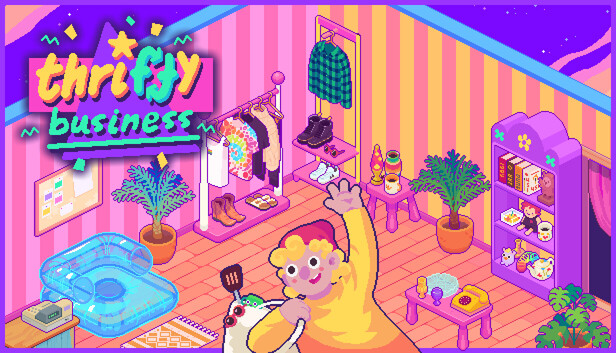
General Overview and Tips
Thrifty Business starts with a lovely little trap: you open a mystery box, find a perfect oddball treasure, and then watch it refuse to sit where your brain says it should go. A tiny item may not fit on the shelf you picked. A bulky piece may need a table or a bigger display spot. That is normal shop-floor chaos, not a sign you are playing wrong. Treat each day like a cozy sorting shift: open boxes, group items by clear themes, place the awkward pieces first, then use the small cute bits to make the room feel finished.
Your main goal is to turn secondhand clutter into a warm shop that feels easy to browse. A mystery box is a batch of new items to sort. Tags are item labels for things like purpose, style, color, or theme. They help the game read what belongs together. Shop score is the broad rating tied to how well your store is organized. Early on, do not chase a perfect score on every object. Build clean zones first, keep money moving, and save fine tuning for the end of the day.
Daily Shop Loop
| Step | What to Do | Why It Helps |
|---|---|---|
| 1. Open boxes slowly | Look at each item before placing it. Sort by type, color, or mood. | You avoid filling every shelf with random treasures before you know what you have. |
| 2. Place large items first | Put big decor, furniture-like pieces, and awkward shapes into open spots. | Large items decide the room layout. Tiny items can work around them. |
| 3. Build shop zones | Keep books with books, clothes on racks, toys together, and decor in clear display spots. | Simple zones make tag scoring and customer requests easier to read. |
| 4. Check requests | Read customer request text before placing likely matches where any shopper can grab them. | You will lose less time hunting for the one item someone wants. |
| 5. End with a cleanup pass | Move anything that looks out of place, then open with the cleanest floor you can. | A tidy final pass helps your score without turning the day into shelf math soup. |
Starter Sorting Checklist
- Give each shelf one job when possible: books, toys, small decor, kitchen-like items, or themed collectibles.
- Use racks for clothing before you spend shelf space on it.
- Put tall or wide objects near edges or walls so they do not block smaller goods.
- Group by color only after the item type makes sense. A red book still wants book friends first.
- Keep one flexible shelf or table for fresh box finds. Think of it as your thrift-shop landing pad.
Early Money Habits
In the first stretch, buy and place for steady flow, not perfection. If you are low on cash, stop rearranging for tiny score gains and focus on stocking clear, easy-to-read groups. A neat book shelf, a clear clothes rack, and one tidy decor area will do more for your shop than five half-planned corners. When you get stuck, pick one messy area, remove the odd item, and replace it with something that shares a tag, color, or purpose with its neighbors.
| Situation | Best Move |
|---|---|
| You opened too many boxes | Sort the newest items into a temporary zone, then place only the best fits. |
| A room feels cramped | Move bulky decor out first. Rebuild the room around shelves and racks. |
| Shop score will not rise | Check for mixed zones: clothes beside books, toys beside formal decor, or lonely items with no clear theme. |
| A request is hard to solve | Hold likely matches back, scan by item type, then check color and theme clues. |
Room Space Priorities
New rooms and furniture are exciting because they give your collection room to breathe. Treat each new space like an Unpacking-style puzzle with price tags. Before you decorate, decide what the room is for. A room with too many jobs becomes a cute junk drawer. A room with one clear purpose feels like a real local shop corner where any customer, collector, or cozy little weirdo can find their thing.
- First priority: display space that holds many sellable items.
- Second priority: racks or shelves that solve a current crowding problem.
- Third priority: decor that improves the vibe without blocking useful space.
- Last priority: large pretty pieces that look great but make daily sorting harder.
Tag and Request Basics
Tags are the game trying to tell you what an item is, even when the placement logic feels a little flea-market mysterious. If an item does not fit where expected, do not fight that one spot forever. Try a different display type, then place it near items with the same use, style, or theme. For customer requests, read the wording like a clue. A request may point to a category, a look, or a purpose rather than one obvious object.
| Clue Type | How to Read It | Fast Search Habit |
|---|---|---|
| Item type | The request names the kind of thing wanted. | Search the matching shelf or rack first. |
| Theme | The request hints at a mood, hobby, or style. | Check grouped decor, toys, books, and collectibles. |
| Color or look | The request points to how the item appears. | Scan visible shelves before opening or moving more boxes. |
| Room clue | The item likely belongs in a certain shop zone. | Search that zone, then nearby overflow spots. |
Achievement Cleanup Mindset
Do not play your whole first run like an achievement spreadsheet. Let the shop grow, enjoy the mystery-box surprises, and keep your rooms readable. Later, cleanup is much easier if you already have clear zones. Save unusual items, note repeated request types, and keep upgrades moving when they add real display space. The best early habit is simple: every object should either help a shelf, help a request, help a room, or earn its keep by being deeply charming.
Quick Recovery Plan
- Stop opening new boxes for one day if the shop feels messy.
- Pick the most crowded room and remove the largest awkward item.
- Rebuild around shelves and racks before placing decor.
- Make one request-safe area for items customers may ask about.
- End with a color or theme pass only after the basic item groups make sense.
That rhythm keeps Thrifty Business cozy without letting the clutter win. You are not rushing past the organizing; the organizing is the good part. The trick is giving every treasure a reason to be there, even if that reason is, frankly, "this looks like it came from a 90s garage sale and I love it."
Comments will load when you reach this part of the walkthrough.