
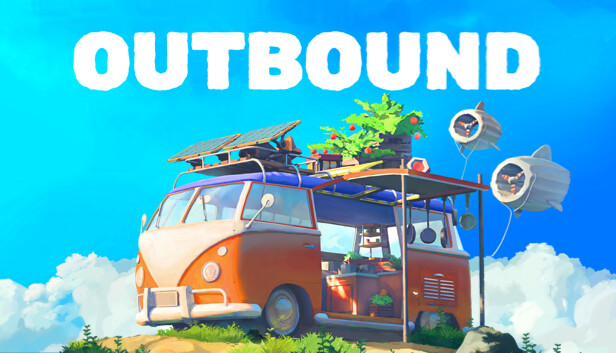
Beginner Route and First Upgrades
The first stretch of Outbound can feel a little like being handed the keys to your dream camper, then told to drive it down one very polite hallway. That is normal. The opening is more guided than freeform, and the trick is to use that time to build a useful van, not a beautiful storage disaster on wheels.
Your goal in this section is simple: follow the starter road, gather only the materials that help your next craft, unlock your first blueprints, and turn the empty electric camper van into a small working cabin. A blueprint is a recipe unlock. A workstation is a crafted station that lets you make better parts, tools, or upgrades. A Signal Tower is a progression landmark with a terminal where you download new blueprints.
Starter Route
- Check the van before leaving. Open your storage and workbench, then check your battery or energy readout before a long wander. Early travel feels slow enough without making the van cough dramatically on a hill.
- Follow the marked path first. Drive along the starter path until the tutorial sends you through the first camping stop and gate. After that, stay on the road toward the next objective, Signal Tower, or marked point of interest. This keeps you moving through the guided stretch without wasting a full backpack on random scraps.
- Gather in short loops. Stop near visible clusters beside the road, collect basic wood, fiber, scrap metal, and useful parts, then return to the van. Empty your pack often. The van is your base, not a souvenir shelf you carry on your spine.
- Craft the route item first. Early on, the tutorial points you toward Basic Tools, scrap metal, Wrench I, and the first barrier. Later, use the same rule: if a recipe is required for the next route step, make that before decor. Pretty lights can wait until the camper has the dignity of basic function.
- Visit the next Signal Tower or blueprint point. After unlocking new recipes, go back to the van and check every new craft. Do this before driving away, because early Outbound loves sending you back for one missing part.
What to Pick Up First
| Material Type | Why It Matters Early | How Much to Keep |
|---|---|---|
| Wood or log-type resources | Feeds basic crafting, early building pieces, and plank-making once the right station is unlocked. | Keep a steady stack in van storage. |
| Scrap metal or hardware parts | Feeds tools, Bolts, workstations, and vehicle research chains. | Save it. Do not spend it on comfort items first. |
| Fiber or soft materials | Feeds Sewing Table, gear, and backpack upgrade paths. | Grab it when it is beside your route. |
| Food, plants, or mushrooms | Supports the cozy self-sufficient loop once growing and cooking matter more. | Keep samples, but do not overfill your pack. |
| Power-related parts | Help with solar, wind, water, battery, or energy upgrades when available. | Prioritize these over decoration materials. |
First Upgrade Priority
- Storage first. More storage reduces repeat trips, which is the biggest early drag. Place storage close to the van entrance or crafting area so unloading takes seconds.
- Basic crafting next. Build or unlock the workstation that clears your current blocker. If two stations are available, pick the one tied to route progress before comfort crafting.
- Power stability third. Outbound is built around efficient energy use, so treat solar, wind, water, battery, and power upgrades as real progression. A cozy van is less cozy when every task is waiting on charge.
- Mobility after that. Motor, battery capacity, and weight upgrades all matter once the van starts carrying more machines and materials. Better movement makes every later resource run less like pushing a refrigerator uphill.
- Decor last for now. Add one or two comfort pieces if you want the van to feel like home, then stop. The full tiny-house fantasy gets much easier once the basics are not fighting for floor space.
Simple Van Layout
Keep the first layout boring on purpose. Put storage near the door, crafting beside storage, and power items where you can check them quickly. Leave a clear walking strip through the middle of the van. Later you can build the charming mobile cabin of your dreams; right now you need a workshop that folds back into a vehicle without becoming a puzzle box.
If you get stuck with no clear next step, reset your route instead of wandering wider. Park at the last road fork, empty your backpack into storage, check the newest blueprint list, then make one clean loop for the missing material. If the recipe needs a blueprint you do not have, follow the main road to the next Signal Tower or marked landmark rather than combing the same meadow again. That one reset saves a lot of cozy-but-tired backtracking.
Solo and Co-op Note
Solo players should keep route loops short and focused because the world can feel quiet when you are doing every errand yourself. In co-op, multiplayer opens after the starting gate, and the cleanest split is simple: one player drives or scouts the road, one gathers near the van, and one handles crafting and storage. Progress is tied to the host save, while tool and recipe unlocks are shared inside that save, so call out rare or power-related materials before spending them. Shared van life is lovely, but four people building random furniture before the battery is stable is still a group project with consequences.
Comments will load when you reach this part of the walkthrough.