
General Overview and Tips
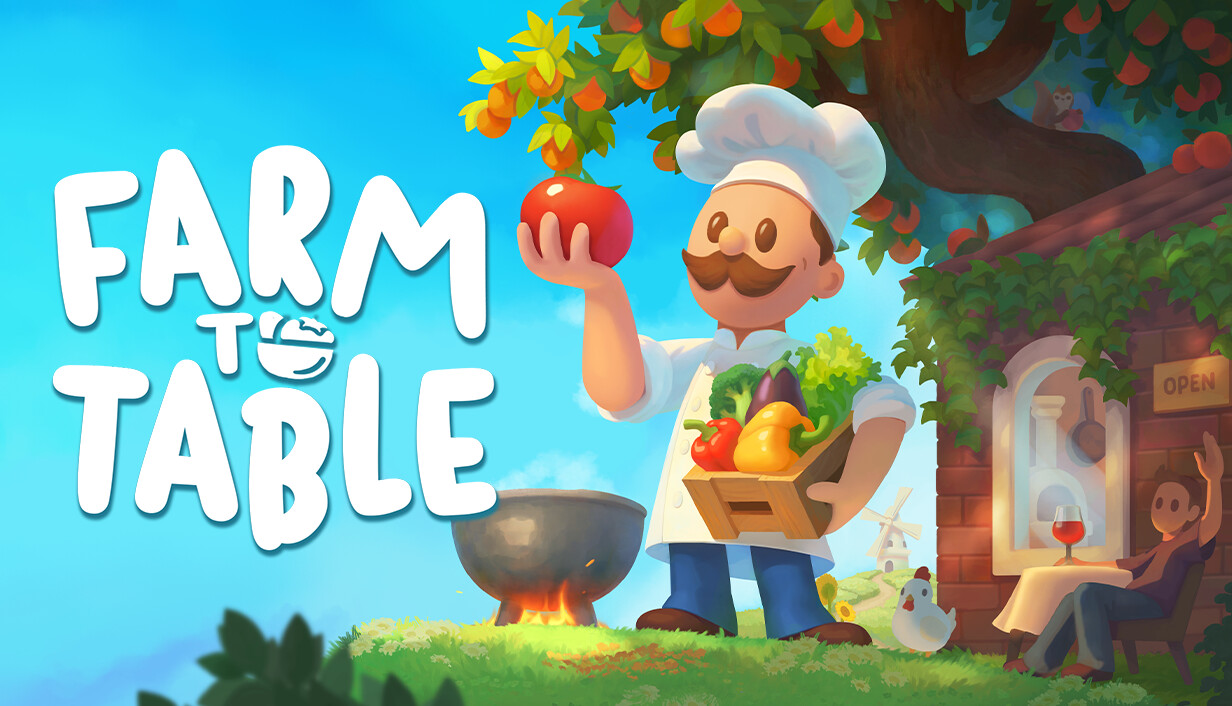
Farm to Table looks soft and sunny until opening time turns your cute island restaurant into a tomato relay race. You will know the moment: a customer wants a dish, the tomatoes are in the wrong crate, the stove is across the room, and your tiny farm dream has become too-many-tomatoes logistics with witnesses. The fix is not to play faster forever. The fix is to prep smarter before you open, keep the menu smaller than your ego, and make every coin solve the next bottleneck.
The core loop is simple: grow or gather ingredients, turn them into dishes, serve those dishes, then spend the profit on the thing that makes tomorrow easier. Crops feed recipes. Animals, fishing, and wild ingredients add new menu routes. Machines turn basic goods into stronger ingredients and new products. Staff, research, storage, and layout help the restaurant survive busier service. That is the fantasy: an empty island hilltop becoming a self-sufficient farm restaurant where the backyard, kitchen, and dining room all pull in the same direction.
Early Access note: Farm to Table is still changing. In-game prices, recipe values, staff behavior, customer flow, crop timing, machine outputs, and ratings can shift between patches. Use these tips as a strategy plan, not a promise that one exact economy value or layout will stay perfect forever.
The Farm-to-Kitchen-to-Profit Loop
| Step | What It Means | What To Watch |
|---|---|---|
| Grow | Plant crops, raise animals, fish, and gather island ingredients. | Do not grow only what sells well. Grow what your active menu needs. |
| Store | Put ingredient crates on shelves near the stations that use them. | Long walks are silent coin thieves. Keep common ingredients close. |
| Cook | Use the right station or machine chain for each dish. | Do not open with a recipe if one key ingredient is missing or far away. |
| Serve | Customers order from your active menu during service. | More seats and more reputation can mean more pressure. Add capacity only when prep can keep up. |
| Reinvest | Spend profits on storage, research, tools, machines, land, or staff. | Buy the upgrade that removes today’s slowest step first. |
Prep Before Opening
Opening the restaurant is the loud part. Prep is where you win. Before you start service, check four things in this order: crops, storage, menu, and walking distance.
- Crops: harvest anything ready, water what matters for tomorrow, and avoid spending all morning on fields that do not feed the menu.
- Storage: keep shelf crates near the stove, grill, oven, presser, or other station that uses those items. Label and lock crates when the option is available so staff do not turn your pantry into ingredient confetti.
- Menu: the menu is the list of dishes customers can order. Start with one or two dishes you can fully support. A fancy dish with one rare ingredient can wreck a rush faster than an empty chair.
- Walking distance: stand where orders are cooked and look at the route to storage, counter, tables, and trash. If you would hate walking it ten times, fix it before customers arrive.
If you get stuck in a bad day cycle, do not expand. Use the next prep phase to pull the most ingredient-hungry dish off the active menu, move its supplies beside the right station, and run a smaller service. A boring profitable dinner is better than a dramatic five-table disaster with one lonely carrot in storage.
Beginner Priorities
- Stabilize coins first. Spend early money on the pieces that let you complete orders reliably: basic stations, reachable storage, enough seating, and the crops your menu uses. Skip decorative sprawl until the kitchen pays for it.
- Keep ingredient buffers. A buffer is a small backup stack of key ingredients. Hold back enough for the next service before selling produce or using everything in machines.
- Limit the menu. More dishes can mean more order types, more storage strain, and more ways to forget one ingredient. Add dishes when the farm can feed them without panic.
- Shorten paths before buying speed. A closer shelf, counter, or table often helps more than another object placed across the room. Make the kitchen compact and keep table paths clear.
- Reinvest into the current choke point. If orders wait on cooking, consider another station or chef. If ingredients run out, buy fields, storage, animals, fishing time, or the machine chain that feeds that recipe. If service is slow, improve table flow and waiter access.
System Notes To Keep In Your Apron Pocket
- Research Tree: research unlocks new features as your restaurant grows. Pick the branch that feeds your current bottleneck instead of chasing every shiny button.
- Machines: machines make advanced ingredients and new products from basic goods. Treat them as recipe support, not trophies. Build a machine when you know which dish or product chain it helps.
- Staff: chefs, waiters, and farmers reduce pressure, but they need clear assignments, shelf space, ingredients, reachable stations, and open paths. If someone stands around, check missing assignments, missing shelf space, missing ingredients, blocked stations, unreachable targets, and crate limits before blaming the poor soul.
- Fishing: fishing adds ingredients and variety, but it can feel more active than a pure cozy task. Fish with a recipe goal, then return before prep time evaporates.
- Animals: animals feed later ingredient chains. Place them where they are easy to reach, and remember that animal products still need storage and routing like crops do.
- Farmers’ Market: selling produce can help when coins are tight or storage is stuffed, but do not sell the last stack of an ingredient your menu needs tonight.
- Delivery Courier: offshore orders can turn spare goods into money, but only send items after the restaurant pantry is covered.
- Ratings: higher reputation is the goal, and it can attract more customers. Better service, customer patience, tips, trays, staff, and clean routing matter more as order volume climbs.
- Steam Deck: Farm to Table is playable on Deck, but small text, controller gaps, manual keyboard moments, and graphics settings can matter. For serious layout work, recipe naming, or long sessions, a keyboard and larger screen may feel better until controller support improves.
Your best early mindset is calm and a little ruthless: every crop should have a job, every shelf should serve a station, and every new table should earn its space. Farm to Table is cute, yes, but it is also a business sim wearing garden gloves. Build the loop first, then make it pretty.
Comments will load when you reach this part of the walkthrough.