
Fix Queues, Blocked Shelves, and Smelly Customers
Version note: Applies to Windows PC Build 1.02. The same diagnosis is useful on consoles, but controls, menu names, balance, and patch timing may differ.
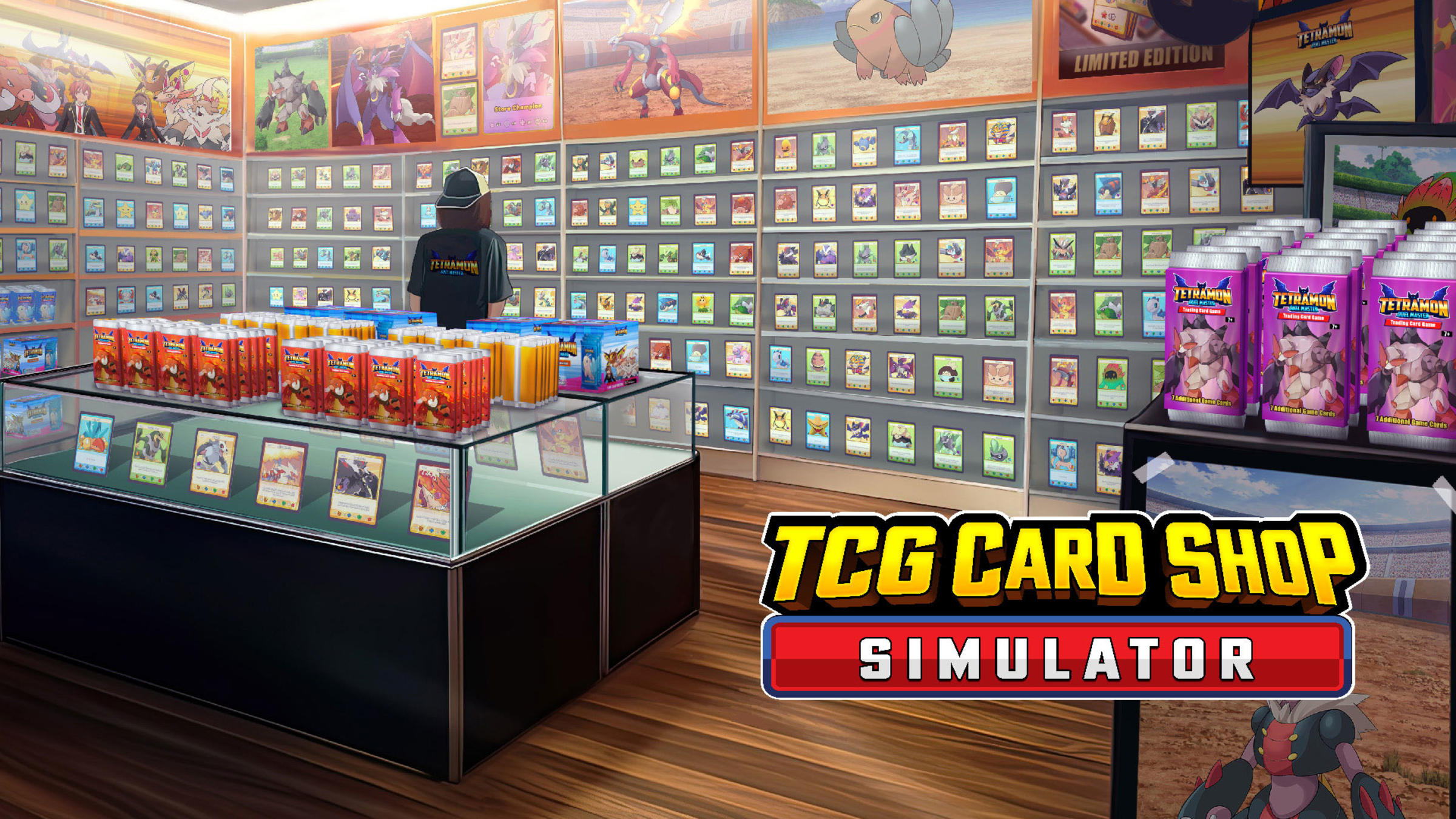
You know the scene: the shelves are full, the register line has wrapped around a Play Table, your stocker is taking the scenic route past three chairs, and a customer carrying a green stink cloud has settled in for a match. Hiring another worker feels tempting, but that can turn one traffic jam into a traffic jam with wages. Fix the floor first. The goal is a polished local card shop where customers can browse, play, and pay—not an escape room with booster boxes.
Rebuild Around Four Clear Routes
Do the rebuild before opening, or wait until the floor is empty. Stand just outside the entrance and trace these routes in order:
- Door to product shelves: Leave a clear lane to the selling side of every shelf. Do not judge access by whether you can squeeze through in first person; customers may need more room.
- Door to single-card sales: Keep the customer-facing side of every Card Table and Vintage Card Table open. Those two fixtures sell individual cards. Small Card Displays, Card Display Tables, Big Card Displays, and Wall Display Cases only show collection cards; customers do not buy from them.
- Shelves to checkout: A shopper carrying products should not have to cross through chairs, delivery boxes, or another shelf’s browsing spot to reach a register.
- Checkout to exit: Keep the queue away from the doorway and leave an open path back outside. Recheck this route whenever you expand or unlock another shop area.
Start with one main aisle from the entrance toward checkout, then branch short aisles toward shelves and Card Tables. Point each selling face into open space. If customers repeatedly stop at one spot or a blocked-entrance complaint begins after you move furniture, check the Play Tables too. One unreachable chair can cause trouble even when the doorway itself looks clear.
Give the Checkout Line Somewhere to Exist
Place the Checkout Counter where customers can wait without covering the entrance, a popular shelf, a Card Table, or a Play Table chair. Leave open space around the cashier’s work position as well. Watch where the first few customers actually stand; walls and nearby furniture can affect the usable queue space, so rotation alone is not a guaranteed fix.
Do not buy a second counter because one rush looked busy. Every Checkout Counter adds a base charge to the electricity bill, and assigning another employee adds wages. First clear the queue area, keep the register staffed, and watch a full rush. Add another staffed counter only when checkout remains the repeated bottleneck. If you own two counters, test separate approaches instead of aiming both queues into one narrow aisle.
Shorten the Stocking Loop
A worker assigned to Restock Shelf can use boxed stock from Warehouse Shelves to refill sales shelves. Put fast-moving backstock near the shelves it serves, keep the access side of each Warehouse Shelf open, and route workers around the checkout line.
- Place fast-selling packs and boxes near their matching backstock.
- For individual cards, use a Card Storage Shelf and assign Restock Card. Keep that shelf near the Card Tables the worker must refill.
- Keep Auto Scent units reachable when an employee has Refill Scent as a task.
- Move decorative displays and Pack Opener Machines away from the main storage-to-shelf lane.
- Do not scatter delivery boxes through the main aisle. Store them or move them behind the retail path before opening.
If a sales shelf stays empty while matching stock is available, follow the worker for one trip. A long walk, awkward turn, or repeated crossing through shoppers points to a route problem. Move either the backstock or that one sales shelf closer, then test again before changing the worker roster.
Keep Play Tables Out of Retail Traffic
Each Play Table has two chairs, and customers need a clean route to the seats. Group tables along a side wall, at the back, or in a separate unlocked area while keeping both chair positions reachable. Avoid placing a row of tables between the entrance and checkout. Seated customers hold that space, and table traffic can mix with shoppers trying to buy products.
Add tables in small batches. They can earn table income and support the card-shop fantasy, but they also consume floor space. After placing one, check the doorway, both chairs, nearby selling faces, and the checkout lane before buying the next. More tables are not guaranteed to improve retail income.
Stop the Stink at the Door
A customer surrounded by green haze has bad odor. Spray that customer with a handheld Cleanser until the haze clears, or place an Auto Scent unit near the entrance, fill it with Cleanser, and switch it on. The Auto Scent M100 requires two sprays to clear the odor. Two M100 units covering the entry path can deliver that pair more reliably, although a customer may still slip through during a busy burst. The later Auto Scent models remove odor in one spray.
Keep Auto Scent units against a wall or beside the entrance instead of building a narrow machine tunnel. Check them before opening and after a rush: switched on, filled, and not blocking a path. Keep a handheld Cleanser near the counter for anyone who slips through or reaches a Play Table. The aim is scent coverage, not a fragrant obstacle course.
Run a Five-Minute Bottleneck Test
Open with your normal stock, prices, staff assignments, and table settings. For five real-time minutes, do not open packs or move furniture. Make one mark each time you see one of these problems:
| Watch | Mark when... | Likely bottleneck |
|---|---|---|
| Checkout | The line reaches a shelf, chair, doorway, or worker lane | Register speed or queue space |
| Restocking | A selling slot stays empty while matching stock is available | Worker assignment, storage access, or travel route |
| Product access | Customers repeatedly stop, reverse course, or fail at the same fixture | Blocked shelf or Card Table |
| Seating | Customers repeatedly fail at the same chair, or blockage complaints begin after tables move | Play Table spacing |
| Cleanliness | A green stink cloud passes the entrance untreated | Auto Scent placement, power, or Cleanser supply |
Fix the category with the most marks. Change only one layout variable, then run the same five-minute test during the next similar rush. Keep stock, prices, staff, and events unchanged where possible. If you move three shelves, hire a cashier, and add two scent machines at once, you will not know which change rescued the shop.
If This Happens, Change This One Thing
- If the queue blocks browsing: Move the Checkout Counter toward an open area, then watch where the next line forms.
- If the queue has space but keeps growing: Keep the counter staffed for the next test. If it still backs up, test a faster cashier or a second staffed register.
- If one shelf draws a crowd: Move that shelf out of the main aisle while keeping its selling face open.
- If shelves empty despite plenty of backstock: Move the matching Warehouse Shelf closer before changing the worker roster.
- If individual cards are not being restocked: Check for a filled Card Storage Shelf, worker access permission, and the Restock Card assignment.
- If blockage complaints start after adding tables: Move the newest table first and make both chairs reachable.
- If smell complaints continue: Refill and switch on the entrance Auto Scent, then watch whether customers leave its range before receiving enough sprays.
- If table traffic overwhelms retail: Box or move one Play Table and retest. Adding more tables does not always improve retail income.
For an emergency recovery, strip the floor back to one clear entrance aisle, accessible product shelves, an open Card Table if you sell singles, one staffed register, and a handheld Cleanser near the counter. Box extra tables or displays for a day rather than selling everything in a panic. Once customers can enter, shop, pay, and leave cleanly, add the cozy pieces back one at a time. There is no perfect floor plan for every shop size, room unlock, or staff setup—but a floor you can test will beat a beautiful mystery maze every time.
Comments will load when you reach this part of the walkthrough.