
General Overview and Tips
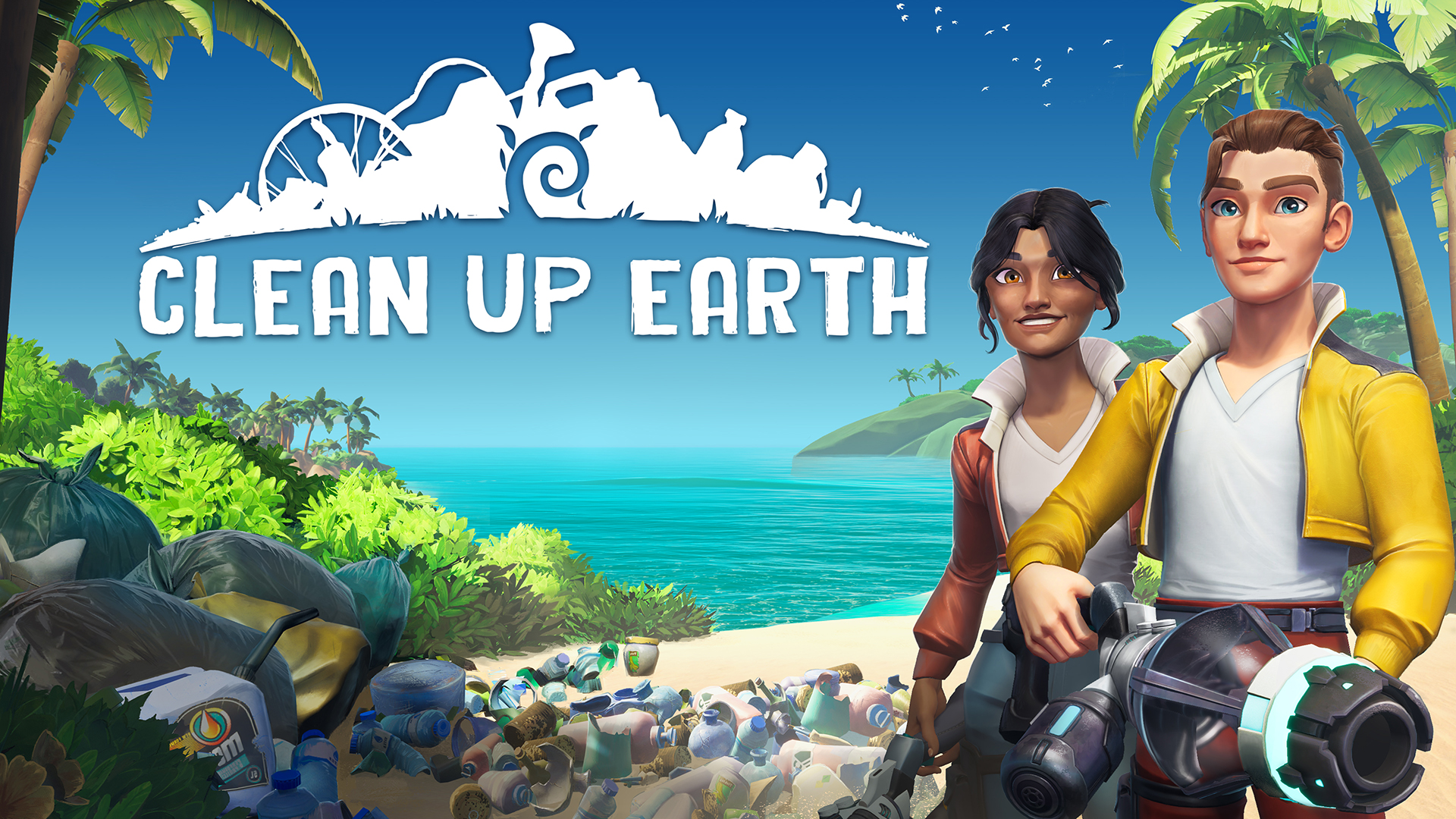
In Clean Up Earth, the easiest way to lose your first hour is to walk into a huge dirty zone, turn in a slow circle, and feel like the whole map burst out of one giant trash bag. That early overwhelm is real, especially solo. The fix is simple: do not treat the whole area as one job. Treat it like three small jobs. Start with the obvious trash hotspots, then clear the edges that hide missed pieces, then do a last detail pass so the area can fully bounce back with those big visual recovery moments where color, plants, and life start returning.
This game works best when you let that visible restoration set the pace. You are not just picking up junk. You are uncovering buried debris, rebuilding parts of the space, and making hidden relics easier to spot as the mess disappears. If you are cleaning with other players, the same loop helps there too: a shared route keeps everyone from doubling back, and split roles make big maps feel less chaotic. If the donation system is on your mind, keep it separate from your route planning. You can choose a partner organization in-game, but your moment-to-moment plan is still the same: finish one dirty pocket cleanly, then move to the next.
Objective: Build a clean first-pass route
- Pick one visible hotspot, not the whole map. Good first targets are dense trash clusters near paths, shorelines, or other high-contrast dirty patches you can spot at a glance.
- Do a fast sweep for large, easy trash first. This gives you quick early progress and opens the ground so smaller debris stops blending into the mess.
- After the hotspot is clear, walk the outer rim of that same area. Missed progress often hides on borders, in corners, or right against terrain changes.
- Only then do detail work. Scan for small scraps, buried debris, or anything half-hidden under the last layer of clutter.
- When one pocket visibly bounces back, move to the next nearest dirty pocket. Short hops beat long wandering every time.
Objective: Recover when progress stalls
- If the area looks clean but still feels unfinished, stop free-roaming and do a boundary lap. Check the edge of water, the base of large objects, and any narrow strips where dirty ground meets clean ground.
- If you feel lost, reset your route to a hotspot sweep. One dense pocket of obvious trash is the fastest way to get momentum back and reveal what still needs attention.
- If the map still has not visibly bounced back, assume you missed a small cluster before you assume the game is being mysterious. Clean the nearest uncleared patch fully, then recheck the area around it.
- In co-op, meaning cooperative multiplayer, split roles on purpose. One player handles broad pickup and structure work, while the other checks edges, small debris, and relic-friendly spots uncovered by the first pass.
- Buy upgrades when they remove repeat pain, not just because you can afford them. Prioritize anything that makes your basic cleanup loop smoother or helps you handle tougher debris without extra wandering.
Tip: if a session starts feeling heavy, set a tiny goal like 'restore this shoreline' or 'clear this one trash ring around the path' and finish that before anything else. Clean Up Earth rewards calm, methodical wins. Small restored pockets add up fast, and once the map starts changing in front of you, the run usually clicks.
Comments will load when you reach this part of the walkthrough.