
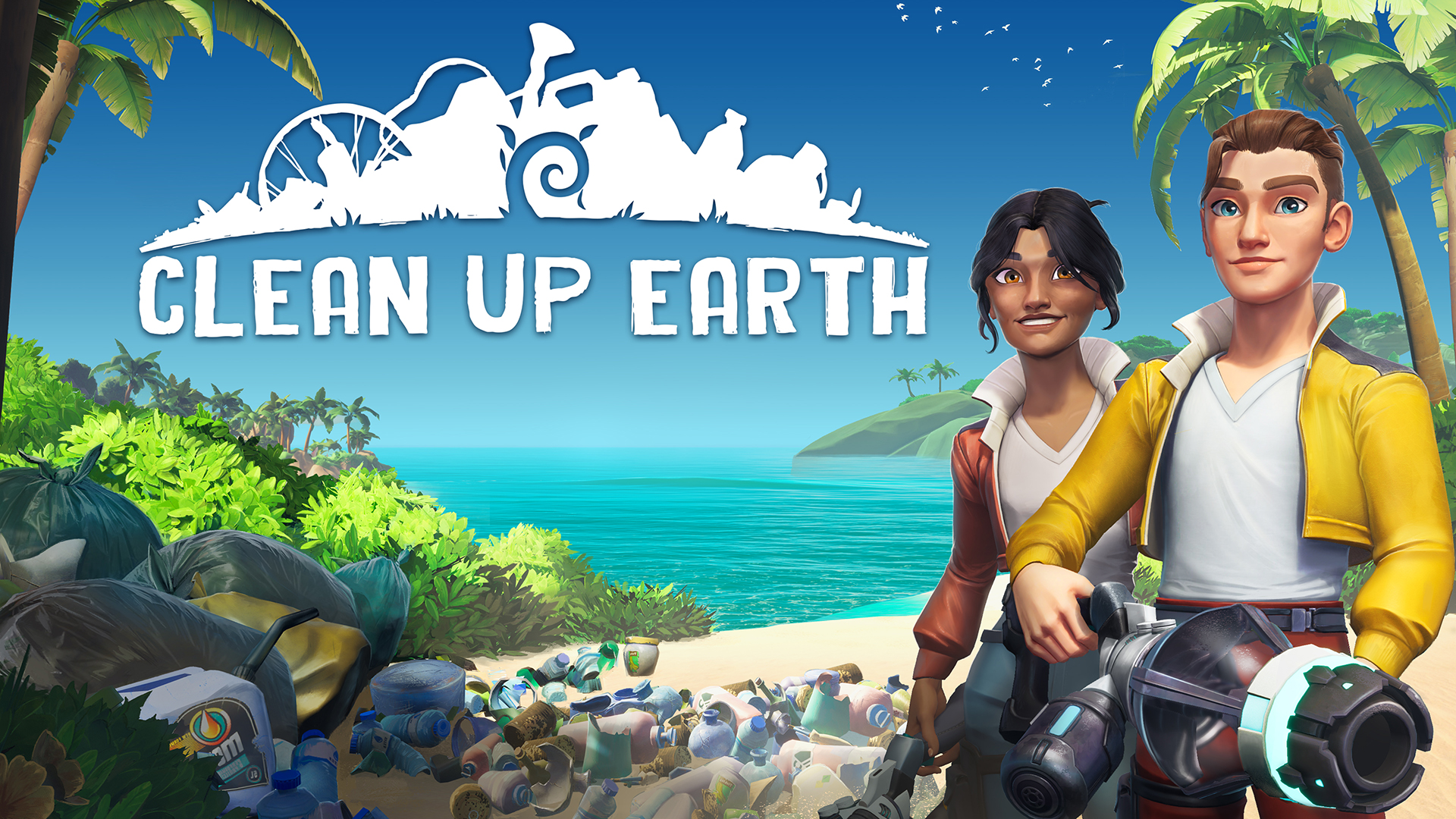
Best First Cleanup Route for New Players
Your first cleanup area in Clean Up Earth can make smart players do the shopping-cart thing: you grab one bottle, spot a nasty trash patch, drift toward a tire pile, and suddenly you have spent ten minutes cleaning in three directions without finishing one. Fix that with a hotspot sweep first. In plain words, clear the nastiest, thickest trash patch right in front of you before you fuss over tiny scraps.
This route is built to solve the early "where do I even start?" stall. The game does have bigger goals, co-op options, and community-impact systems, but you do not need to chase every system at once. For your first few minutes, aim for one small area that gives clear feedback. Clean Up Earth is built around visible restoration, so look for a spot where cleaning makes the place feel healthier or more open. Dense mess first, little misses on the loop back, then a quick curiosity check once the area starts looking alive again.
Objective 1: Clear the spawn bubble
- Stand at your start point and do one slow camera turn. Pick the nearest heavy trash cluster you can reach in a few seconds.
- Clean the obvious big pieces first: piles, bags, scrap chunks, and anything clogging the middle of the route.
- Work in a tight circle until the ground around spawn looks clearly better than the ground behind you.
- Ignore lonely scraps sitting on already-clean ground. That is loop-back work, not first-route work.
- When you can see a clean lane to the next messy patch, move forward. That visible lane is your momentum.
Objective 2: Run one side of the lane
- Follow the clearest route out of your starting area. If the map gives you a path, shoreline, or other obvious edge, use one side of it as your guide.
- Prioritize dense trash at borders, corners, and seams before you chase single bottles in open ground.
- Break down the thick piles before you worry about the tiny scraps revealed underneath.
- Skip spaces that already look mostly clean. Come back after you create one obvious restored pocket.
- Keep going until you hit the first messy knot that feels like it wants a full clear.
Objective 3: Finish one pocket cleanly
- Stop pushing deeper. This is where many new players spread their effort too thin.
- Clean this one pocket to a real finish. Take the center first, then the edges, then check behind the biggest pile you just removed.
- Watch for the area to look greener, clearer, or more open. That visible change is your sign that you picked a good first target.
- After that, do a quick relic check on any newly uncovered ground or rebuilt space, then move on. Do not turn the first route into a full treasure hunt.
- Loop back through your lane and grab the singles you skipped earlier. They are much easier to spot once the big clutter is gone.
Tip: If the map still feels stuck, do not start combing the whole biome like a lost vacuum cleaner. Turn around and recheck the edges you passed: corners, tight seams, the back side of big heaps, and any junk tucked under low props. That is often where the last bit of progress hides.
If you are playing co-op, keep the split simple. One player clears the fat piles and opens the route forward. The other sweeps edges, catches loose singles, and watches for missed blockers near the newly cleaned area. Done right, your first few minutes should leave you with a neat strip of clean ground from spawn to your first restored pocket, and that is when the game starts to click.
Comments will load when you reach this part of the walkthrough.