
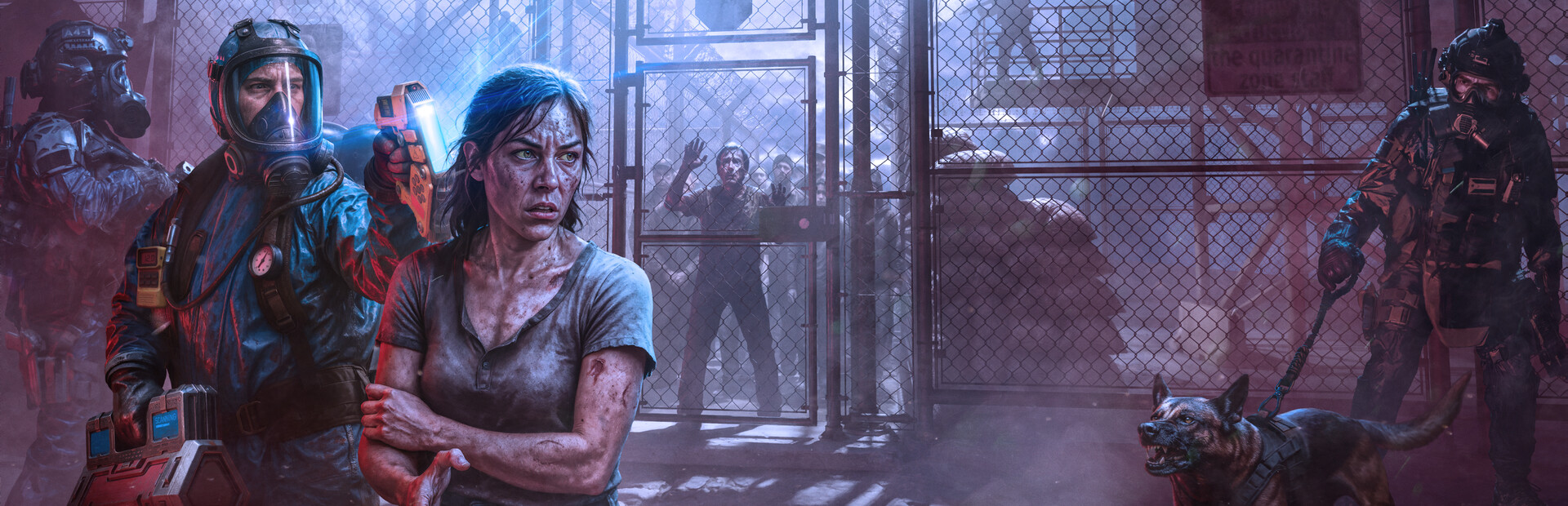
General Overview and Tips
Quarantine Zone: The Last Check is at its best when you are one bad cough away from feeling like the only adult left at the evacuation gate. The classic early mistake is staring at an evacuee for a full minute, checking the obvious spots, approving them, then realizing the tiny tell was on a hand, sleeve, bag edge, or tool readout you glanced past. The fix is not to panic-click harder. Build one inspection route and run it every time, even when the line looks calm. The apocalypse loves rule errors and quiet symptoms.
Your basic job is to inspect each person, make a verdict, and keep the checkpoint alive. A verdict is your final action: admit a cleared survivor to the Survivor Block, quarantine a possible or unclear infection risk, send a case to the lab when the game offers extra screening, or liquidate a confirmed infected survivor when the rules demand it. Banned goods are a separate problem: find them, mark or confiscate them as required, then make the health call. The fantasy is simple and sharp: you are the last competent authority at a failing gate, and your best weapon is a steady routine.
Use the Same Inspection Order Every Time
Do not start with the tool that feels exciting. Start with the check that costs the least and gives the fastest clue. Then move inward. This keeps you from wasting time, missing small tells, or letting new unlocks turn your brain into a drawer full of loose batteries.
- Step 1: First look. Check the face, eyes, skin, hands, clothes, posture, and any carried items before opening menus or tools.
- Step 2: Order check. Read the active orders, symptom list, and allowed or forbidden item rules. If the rule already gives you a clear answer, do not over-invest unless the game asks for a full inspection.
- Step 3: Symptom check. Use your medical tools on any visible warning sign, not just the dramatic ones. Small marks matter.
- Step 4: Contraband check. Search bags, coats, belts, and odd object shapes when the person or rules give you a reason.
- Step 5: Verdict. Only decide after you have one clear reason. If you cannot name the reason, slow down and repeat the last check.
Quick Tool Priority Table
| Check | What to Look For | Best Use | Verdict Rule |
|---|---|---|---|
| Visual scan | Face, hands, skin marks, strange posture, exposed items | Fast first pass before any deeper tool use | Do not admit if you still have an unchecked visible warning sign |
| Current orders | Daily rules, symptom categories, allowed items, forbidden items | Catch clean rule failures before spending time on extra tools | Do not admit someone who fails an active order or has an unresolved required check |
| Medical tools | Confirmed symptoms, odd readings, hidden infection clues | Settle unclear cases after a visual clue | Quarantine unclear risks, use lab screening when offered, and liquidate confirmed infections |
| Search or contraband tools | Hidden items, suspicious shapes, banned supplies | Use when bags, clothing, posture, or rules make the case feel off | Confiscate or mark banned goods, then follow the current survivor verdict |
| Base resource screen | Food, fuel, medicine, defenses, and upgrade pressure | Plan the next shift before the gate eats your supplies | Spend resources on the tool, storage, or defense fix that solves last shift's real problem |
Verdict callout: In a clean case, admit only after the person passes the rule check and you have no visible or tool-confirmed reason to hold them. In a dirty case, do the opposite: find the exact failed tell first, then quarantine, lab-check, liquidate, or confiscate as the rules require. The game is much less mean when every verdict has a short note in your head, like bad rule, confirmed symptom, or banned item. Very official. Very doomed.
Keep Resources Tied to Inspection Problems
Food, fuel, medicine, defenses, and upgrades are not a separate mini-game. They decide how clean your next shift feels. If you are missing symptoms, favor upgrades or choices that improve inspection accuracy, tool access, or time control. If the line is backing up and you are making rushed calls, favor speed and workflow help. If sick cases are draining you, protect medicine before spending on less urgent gains. A good base choice should answer a real checkpoint problem from the last shift.
When you unlock a new tool or symptom type, run two slower inspections on purpose. Add the new check into your normal route instead of using it only when you remember it exists. Most bad calls come from breaking rhythm, not from being bad at observation. The game keeps adding plates; your job is to stop spinning all of them with your face.
How to Recover After a Bad Call
If you admit someone you should have stopped, do not restart your whole brain. On the next evacuee, pause for one full inspection cycle and ask what kind of miss it was: visual tell, rule check, medical tool, or contraband search. Then put that category earlier in your route for the next few people. For example, if you missed a tiny symptom, do the face-and-hands scan before touching the current orders. If you missed a banned item, check bags and coat areas before you trust a clean medical read.
If a tool result feels wrong, repeat the check once from a clean angle or clean state if the game allows it. If the same person still looks impossible to judge, make the safest rule-based call and move on. One ugly verdict is survivable. Letting that one case tilt your next five inspections is how the checkpoint turns into a buffet for bad decisions.
Beginner Rules That Save Runs
- Read the active rules at the start of every shift, even if yesterday felt easy.
- Keep one inspection order and change it only when a new tool truly needs a place in the route.
- Never admit because nothing looks wrong until rules and visible tells are both checked.
- Use quarantine for unresolved infection risk, not as a junk drawer for every awkward case.
- Spend resources to fix the mistake pattern you are actually making.
- After a crash, glitch, or strange miss, replay slower and watch for tool behavior before blaming your whole strategy.
Play Quarantine Zone: The Last Check like a shift log, not a guessing game. Look, compare, test, search, decide. Then do it again for the next person in line, because somehow the end of the world still has a queue.
Comments will load when you reach this part of the walkthrough.