
Build a Fast Cleanup Loop
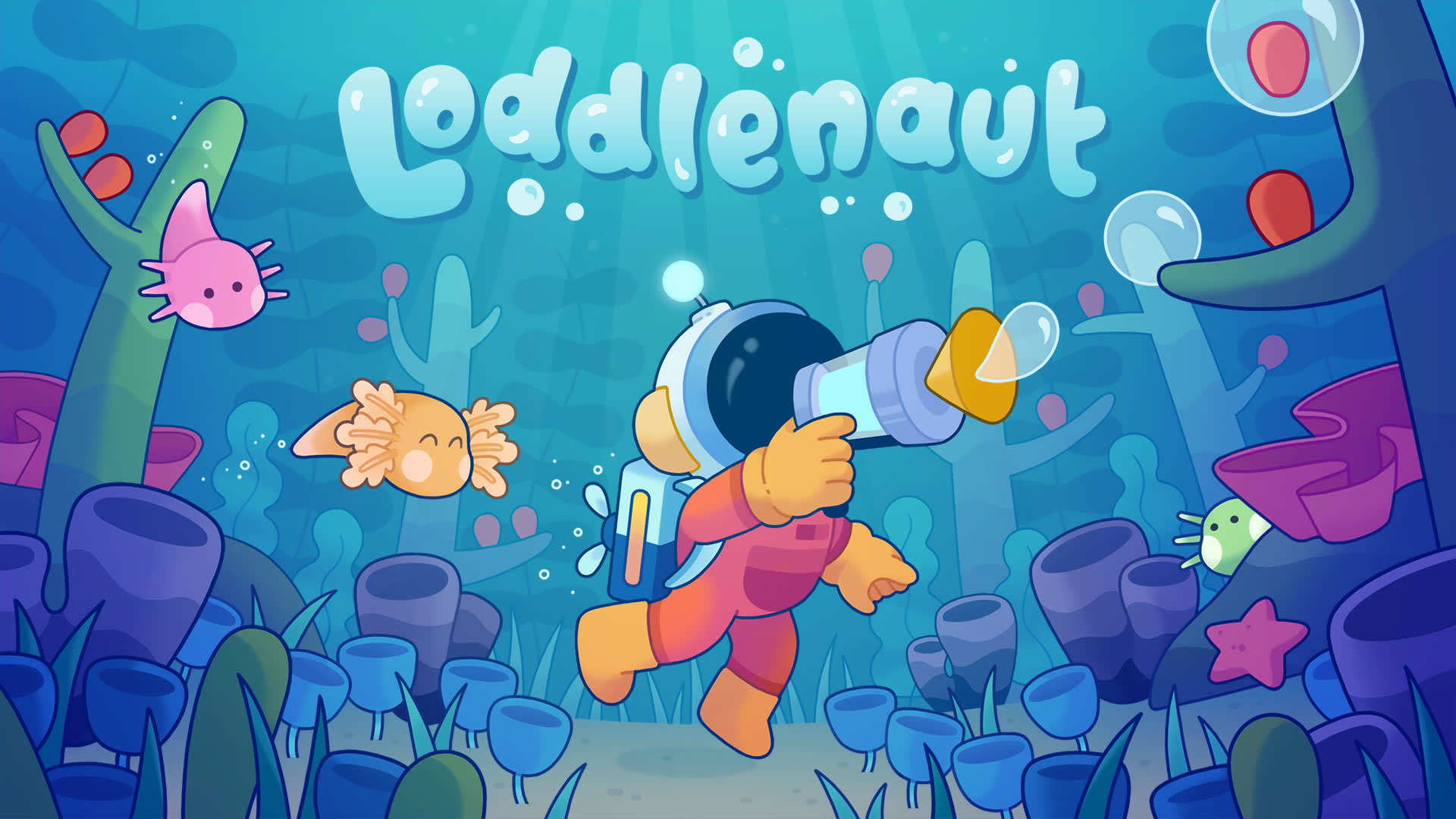
In Loddlenaut, cleanup can feel like a lot at first. If it seems like pollution is everywhere, you are not doing anything wrong. Quick definitions: trash is loose debris you collect and recycle for materials, and sludge (called goop in-game) is sticky pollution you blast off surfaces to restore the area. The fastest progress comes from repeating a simple loop, not from trying to perfect the whole map in one trip.
Start each run with a short route in one part of the biome. Clear goop first anywhere it blocks paths, hides pickups, or makes movement awkward, then sweep nearby trash in tight circles before moving outward. This reduces backtracking, keeps your route easy to read, and gives you steady wins you can feel.
If you searched for polluted goop, that is basically the same problem this section is solving. In practice, treat polluted goop as your pathing problem first and your cleanup problem second: clear the sticky route blockers and contaminated pockets around interactables before you worry about every stray patch on the edge of the biome.
Use a Simple Priority Order
When you are choosing what to clean next, use this order: (1) goop on routes and around key objects, (2) dense trash clusters, (3) isolated single pieces you can grab while leaving. If upgrades are available, prioritize ones that improve cleaning uptime (like more capacity or stronger tools) so you spend more time cleaning and less time on refill/recycle detours.
Tip: If you hit that "I cleaned forever and it still looks messy" wall, try a 5-minute recovery loop: pick one landmark, fully clean only that pocket, recycle what you collected, then move to the next adjacent pocket. That quick reset usually brings your momentum back fast and makes the next objective easier to spot.
Comments will load when you reach this part of the walkthrough.