
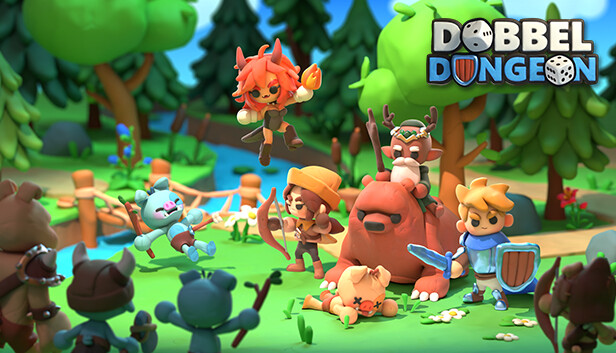
Best Starting Party
First runs fall apart fast when one rough round leaves the whole board tilted and your team has no clean way to recover. If that keeps happening, start with Paladin, Druid, and Ranger. That trio gives you a steadier mix of defense, healing, and cleanup while you learn how the fights flow.

| Hero | Job in your first run | Why it helps early |
|---|---|---|
| Paladin | First contact | Best used as the hero who steps into danger first and buys the team room to breathe. |
| Druid | Recovery | Healing helps one rough fight stay rough instead of turning into a full run collapse. |
| Ranger | Cleanup | Works well as the third piece who finishes weakened enemies while the other two keep the run stable. |
Your early upgrade plan should be boring on purpose. Skill points are shared across the whole party, and the official Steam page says you earn them from quests and bonus objectives. So your first points usually do more for survival than for flashy damage. Take one sturdier option first, then one better heal or recovery tool, and only then branch into extra damage. Tip: you can sell skill points to the mystic for gold, but that trade usually makes more sense later, after your core skills are online.
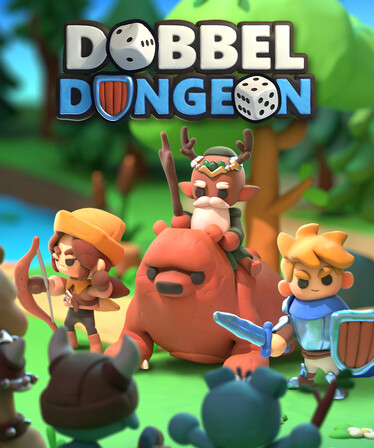
How to play the trio
- Let Paladin take first contact. If two enemies can hit back, spend dice on staying upright instead of forcing one more attack.
- Use Druid to clean up bad trades early. A small heal now is better than a panic turn later.
- Let Ranger handle cleanup. Use Ranger to finish weakened enemies and take the low-risk plays while the other two keep the run stable.
A good beginner rule is simple: two medium plays that keep the party standing usually beat one greedy swing. If a run starts to wobble, stop spreading upgrades evenly for a bit and feed the next one or two points into the hero keeping the group alive. It is not flashy, but it is how you turn random-looking rolls into deliberate tactics, and that is when Dobbel Dungeon starts to click.
Comments will load when you reach this part of the walkthrough.